Media’s Favorite Memories
By: Madelyn Beyer Media is noted for its freedom around the capitol. Truly, running around, filming, interviewing, and observing is where these amazing delegates thrive.…
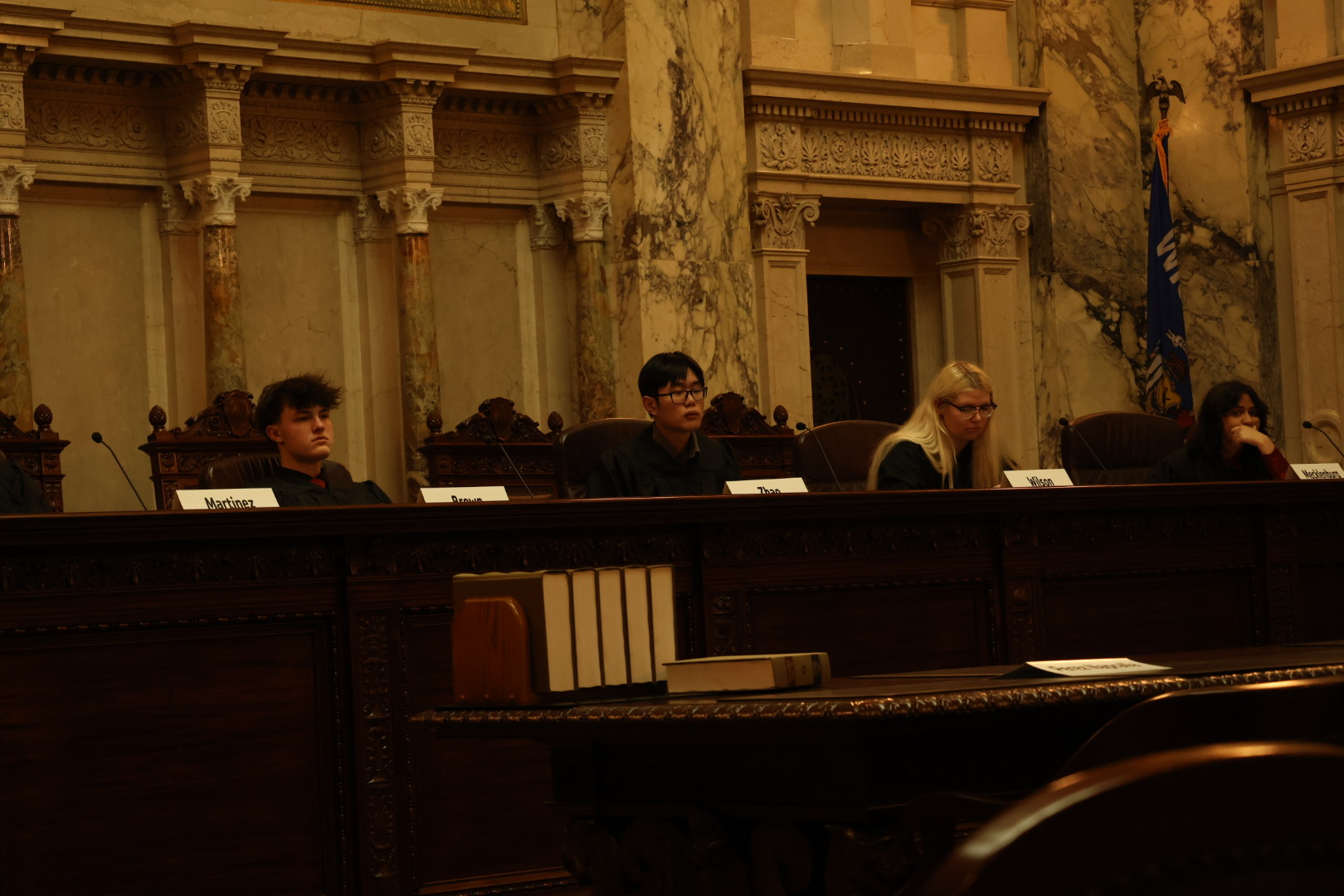
By: Kaylie Ebert
Jakob Brown is a second year YIG student and a Sophomore at Fond Du Lac Highschool. When interviewing Jakob, I got to see a part of the behind the scenes process of planning for the Model Gov. Supreme Court debate when talking about his case. Jakob’s case, Keegan Jones v. Wisconsin, is a case exploring the rights of individuals. Keegan Jones was a student seen on a private Snapchat video holding firearms and vapes. After the video was circulated, an anonymous tip was put in to the school resource officer (SRO) saying that Keegan had a firearm hidden in his vehicle, after a search of the vehicle was done and the tip was seen to be true, Keegan was charged for violating the Wisconsin state statute 948.605 Gun-Free School Zone.
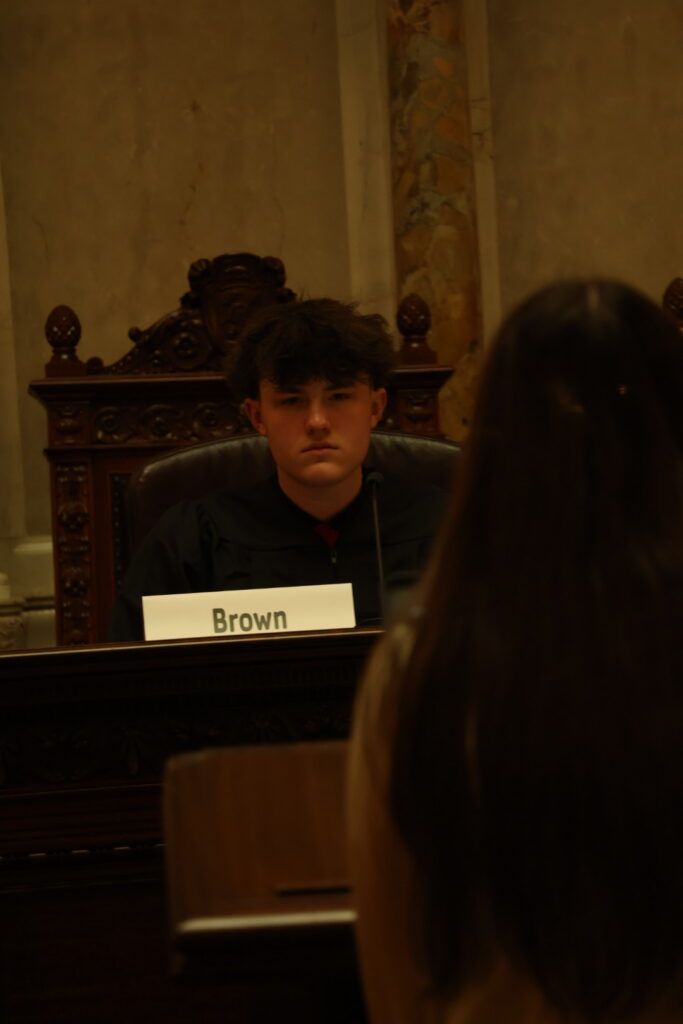
When talking to Jakob about the preparation for his case he explains that after getting your case and grasping an understanding of it, you should start thinking of the deeper process behind the case and how you plan to defend it, such as considering legal questions that may be asked during debate and finding legal documents to support your arguments. After asking how he defends his case, it was clear that properly defending your case means understanding it to the best of your ability. In Jakob’s case, he researched additional information that might help him later on, bringing up specific legal doctrines that supported during his argument such as the Third-Party Doctrine that questions whether information shared through things like Snapchat have a reasonable expectation of privacy. Moreover, there are The Automobile Exceptions that could be used as a way to prove if the SRO had “probable cause” to search Keegan’s vehicle based on the tip alone. Lastly, he used the Fruits of the Poisonous Tree doctrine as a way to show that all the evidence obtained was done so illegally, stating that due to this doctrine, all the evidence found should be suppressed in court and not able to be used against Keegan Jones.
In the end Jakob said that “I hope that the judges are as sympathetic about this as me and I hope that they agree with me and all my statutes and the legal process.”